
Japanese Knotweed Specialists
Specialist identification, treatment and removal backed by UK expertise since 2014.
Japanese knotweed is a fast growing invasive plant that can spread aggressively through underground rhizomes. Gaia Environmental provides specialist solutions for residential properties, commercial sites, developments and landowners.
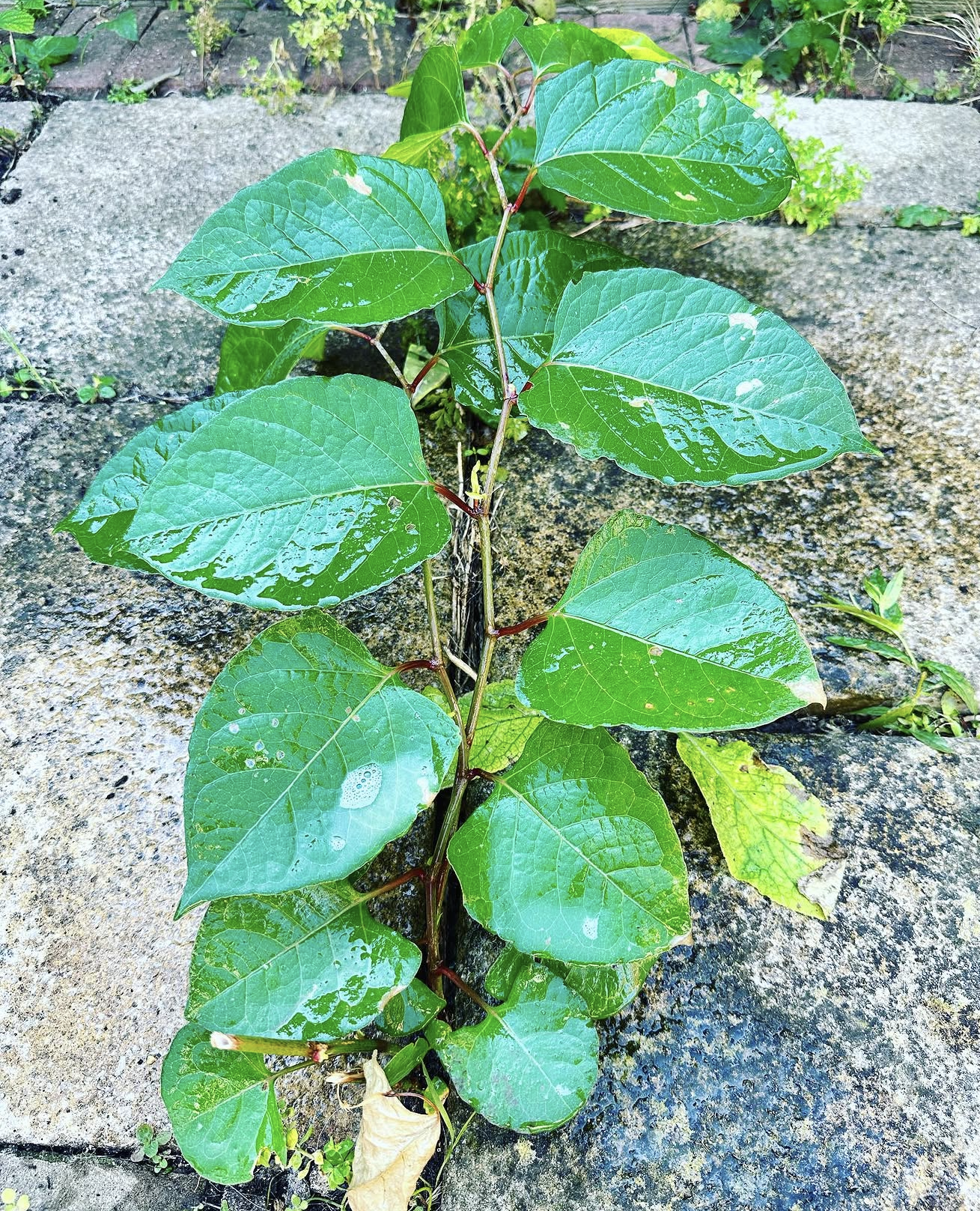
Japanese Knotweed Growth Stages
Japanese knotweed changes dramatically throughout the year. Knowing what to look for can help with early identification.
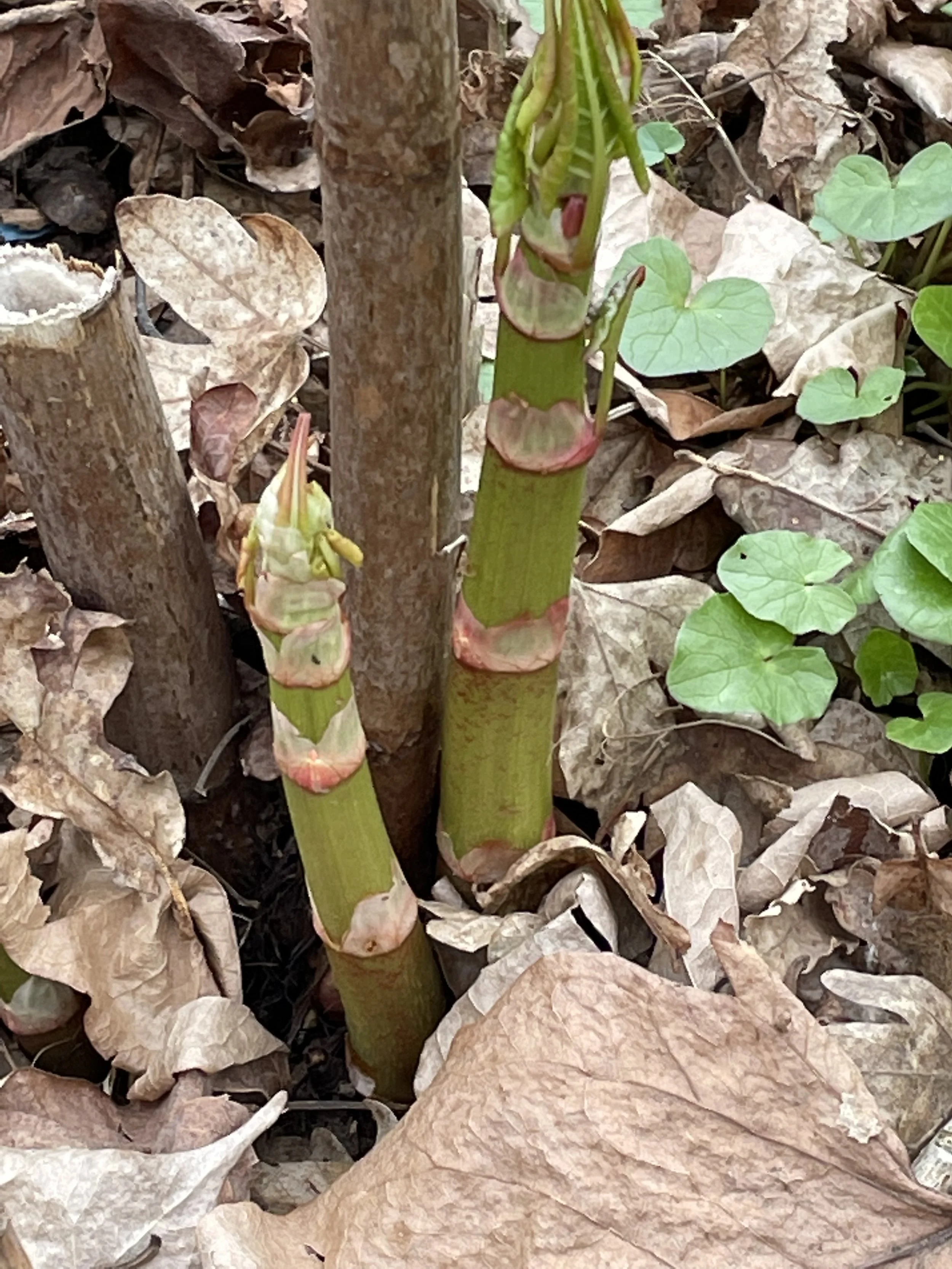
Early Spring
Red-purple shoots emerge from the ground, often resembling asparagus spears.
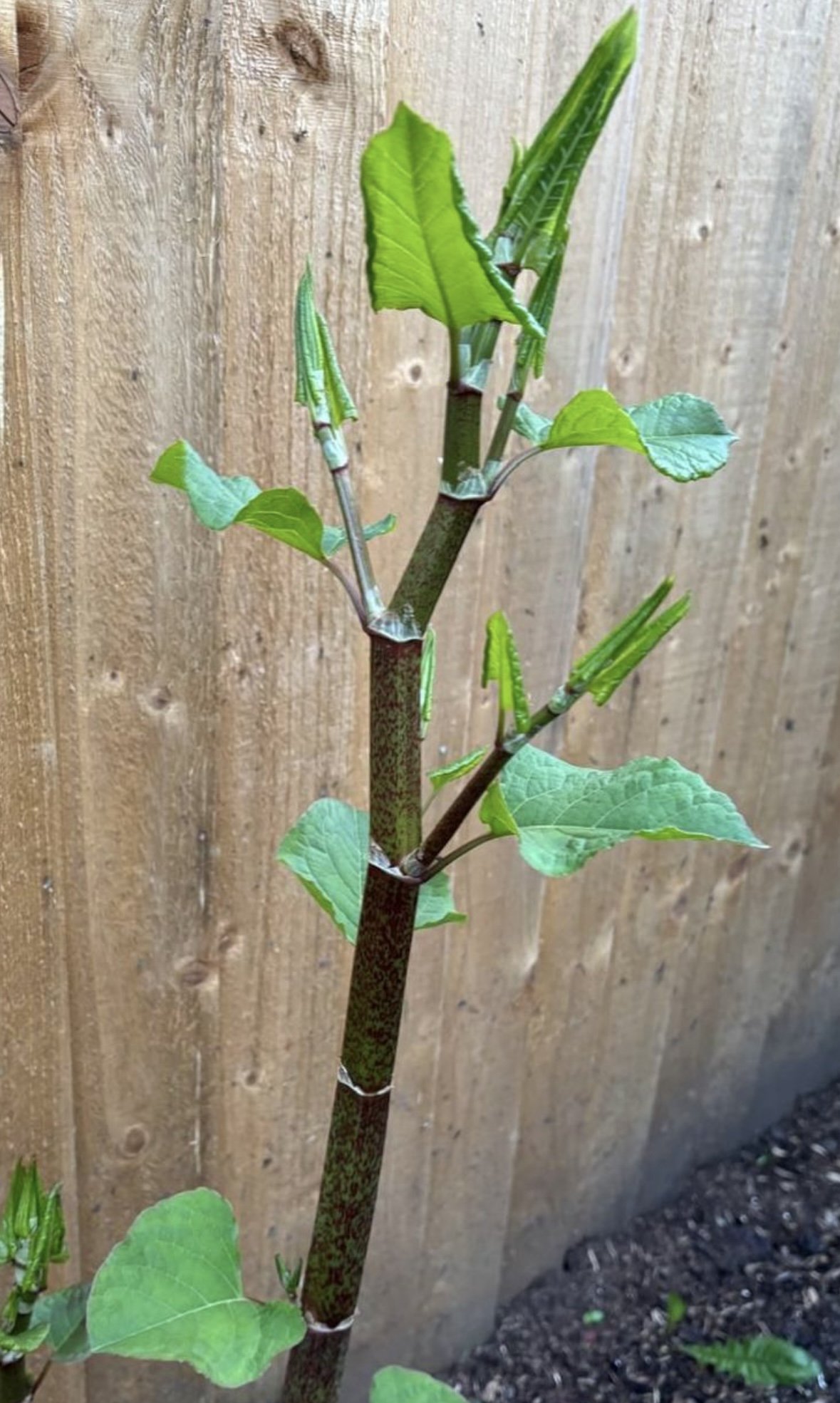
Late Spring
Rapid stem growth begins and shield-shaped leaves start to develop.
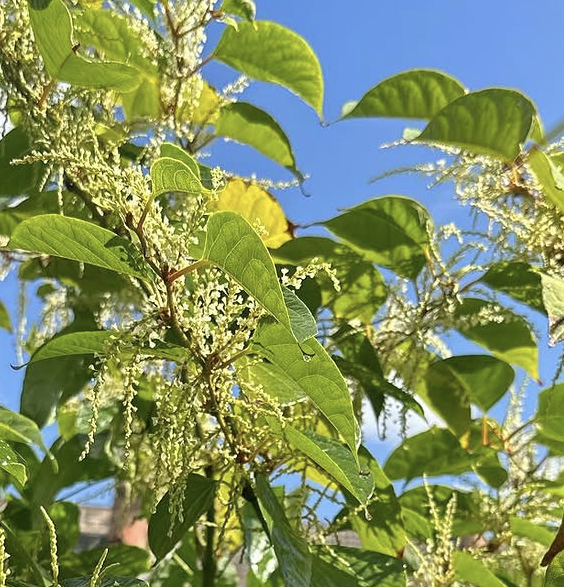
Summer
Dense mature growth forms with tall bamboo- like canes and broad leaves. Creamy white flowers may appear later in the season.
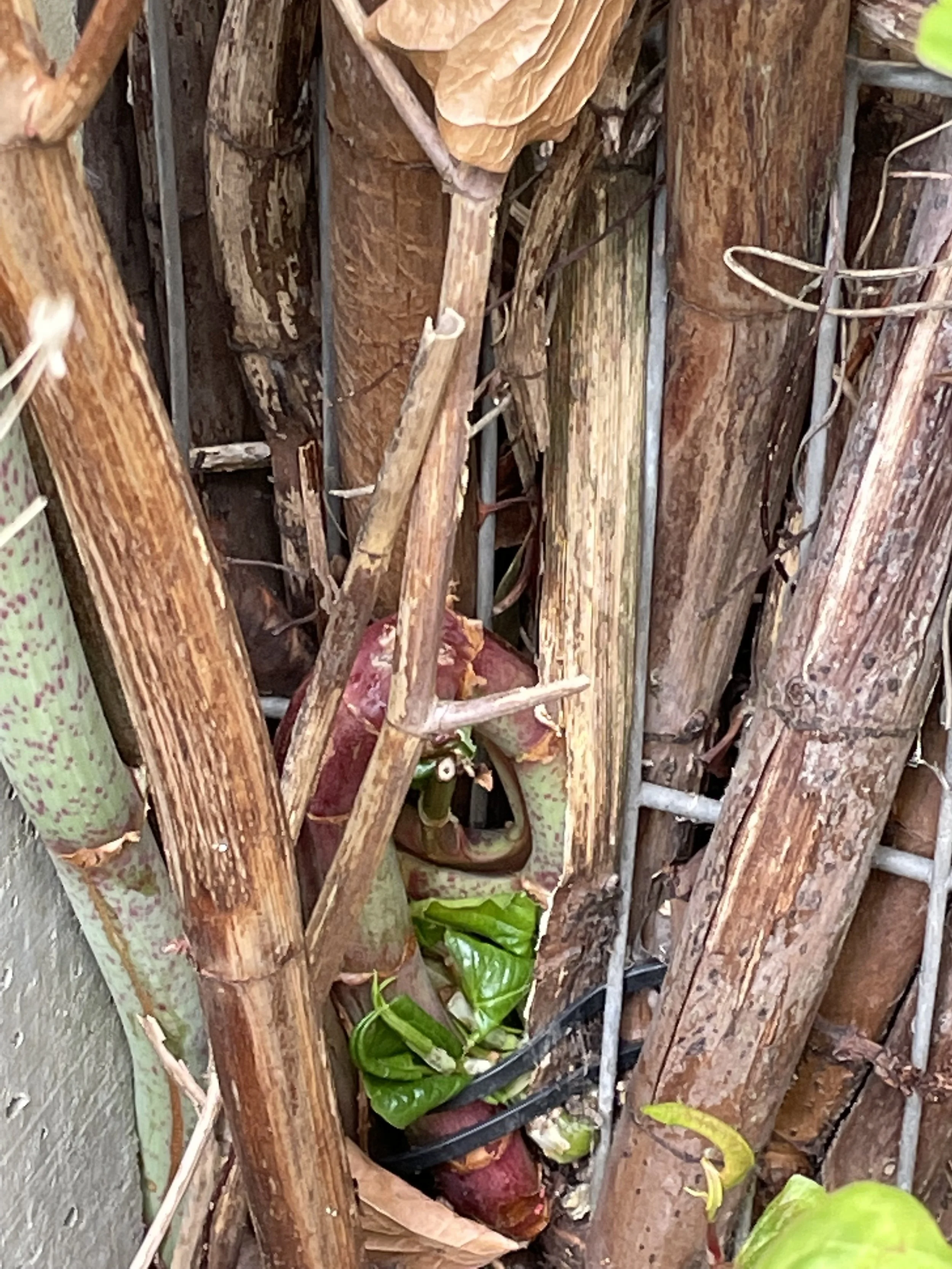
Fall & Winter
Leaves turn yellow and die back. Stems become brown and brittle, while the underground rhizome system remains alive below ground.
How We Treat Japanese Knotweed
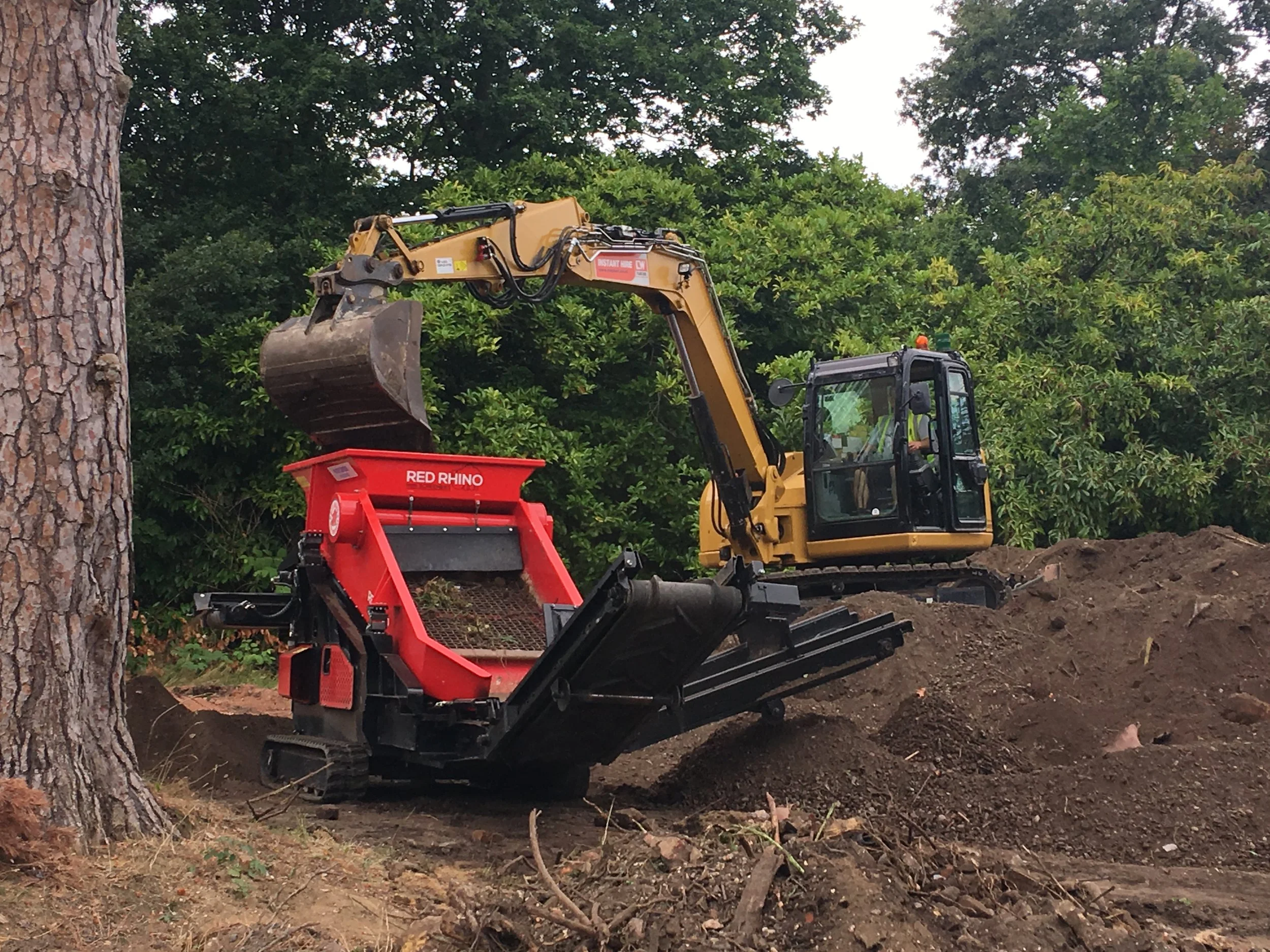
Excavation, Screening & Soil Reuse
Contaminated soil is carefully excavated and mechanically screened to separate Japanese knotweed rhizome and plant material from the soil. Where site conditions and local regulations allow, suitable screened soil can be retained and reused on site, significantly reducing the volume of material requiring disposal.
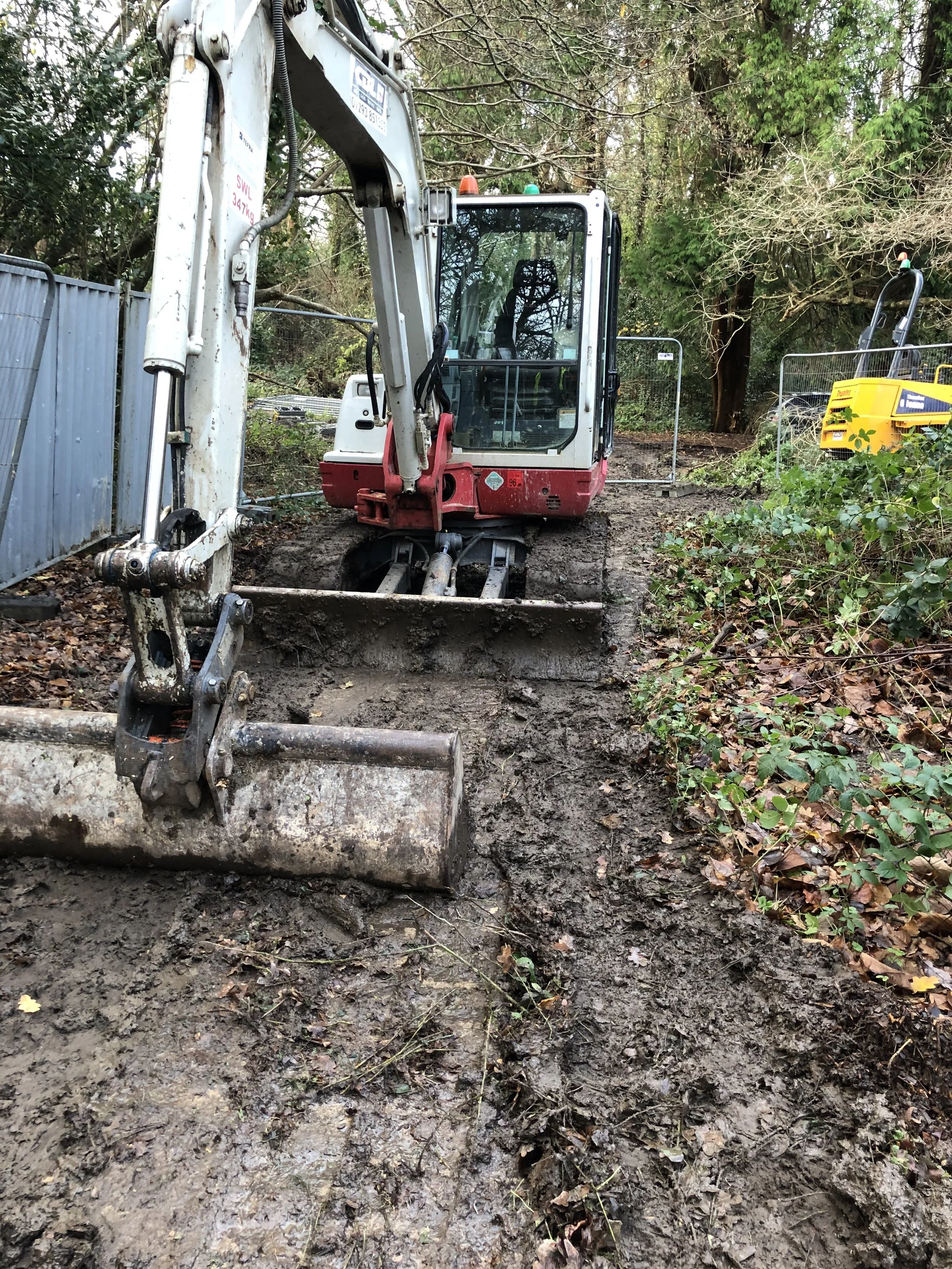
Excavation & Off-Site Removal
Where complete removal is required, affected soil can be excavated and transported to an appropriately permitted disposal facility. Careful excavation and root tracing can help minimise unnecessary soil removal.
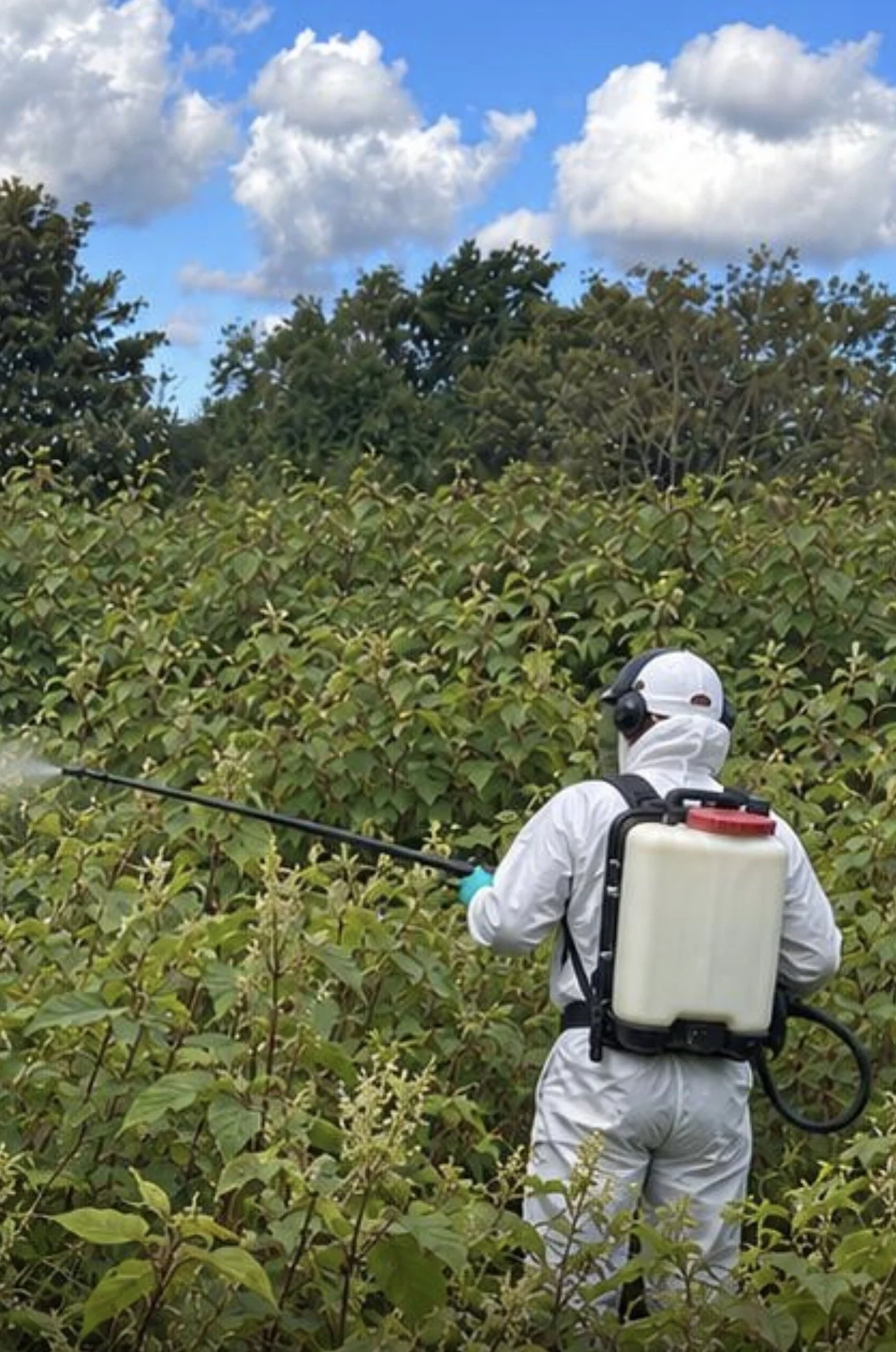
Herbicide treatment
Targeted treatment programs designed to control established Japanese knotweed over time.
Every Japanese knotweed site is different. We assess the extent of the infestation, intended land use, timescale and site conditions before recommending the most appropriate management strategy.
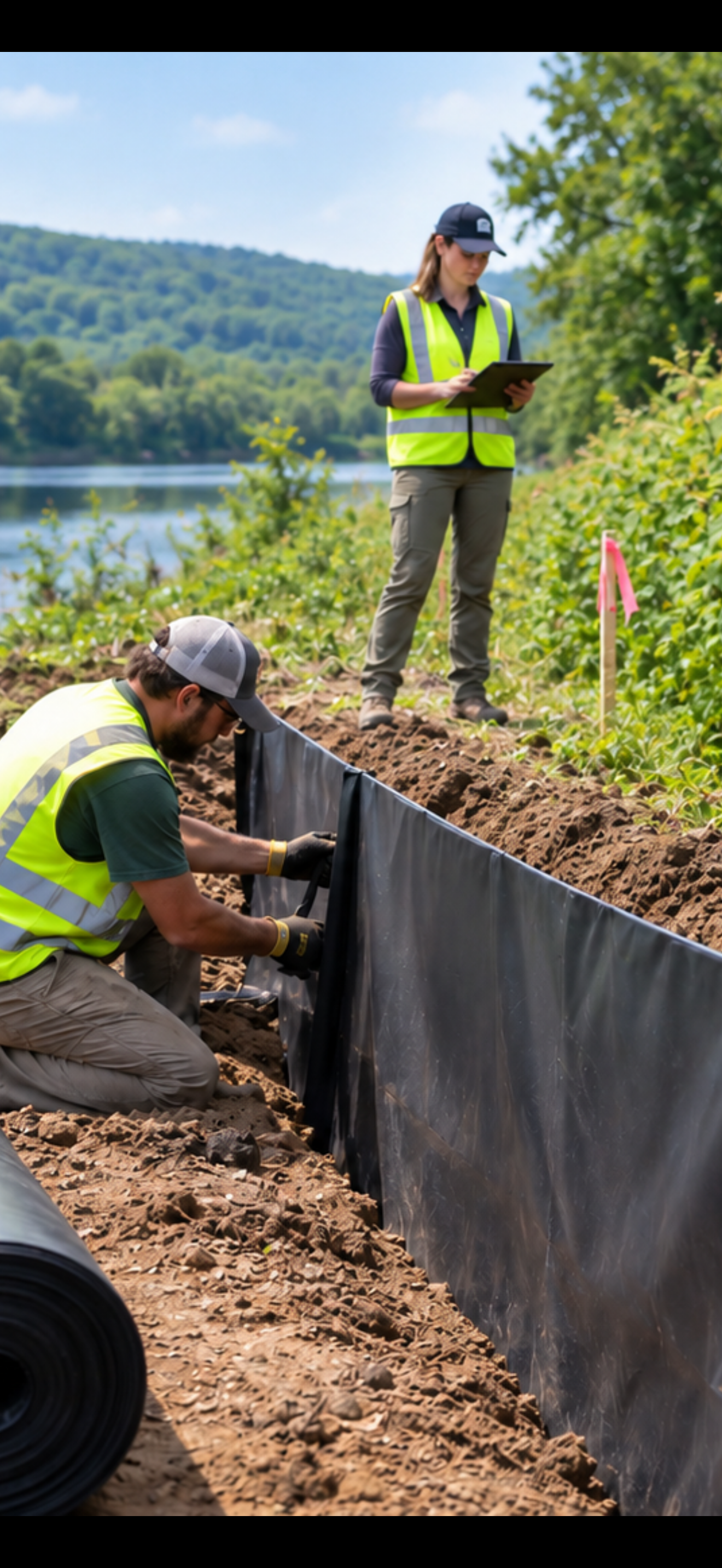
Containment and Monitoring
Where full excavation is not appropriate, specialist containment, root barrier solutions and long-term monitoring can form part of a site-specific management plan.
Why Japanese Knotweed Needs Specialist Management
Japanese knotweed spreads though an extensive underground rhizome system. Even small fragments of rhizome can produce new growth, so incorrect excavation or movement of affected soil can spread the infestation further.
Successful management depends on accurate identification, understanding the extent of the rhizome system and selecting the right treatment method for the site.